
Those who know me best know that I like my alone time. I also understand that we’re hardwired for human connection, even if we’re cooped up in a room full of strangers for jury duty, like I was recently.
I approach a long line outside the courthouse on University Avenue. We’re all prospective jurors going through a security check as we enter the building. It’s my first time serving for jury duty. I’m interested to learn about the process.
The woman ahead of me turns around as we enter the building. “I feel like we’re going through airport security.”
“Yah.” I nod with a smile and keep my response short. It was an early and long TTC ride to the courthouse. I’m not in the mood to talk.
We’re all directed to a jury lounge, given some initial instructions, and then left to wait. We’re reminded that it’s our civic duty to serve, and that we may not speak about or do any research on the cases that we hear. There are at least two hundred of us gathered together. The Wi-Fi is intermittent and, save for a lone chess board placed in the middle of one of the tables near the front of the lounge, the room is bare.
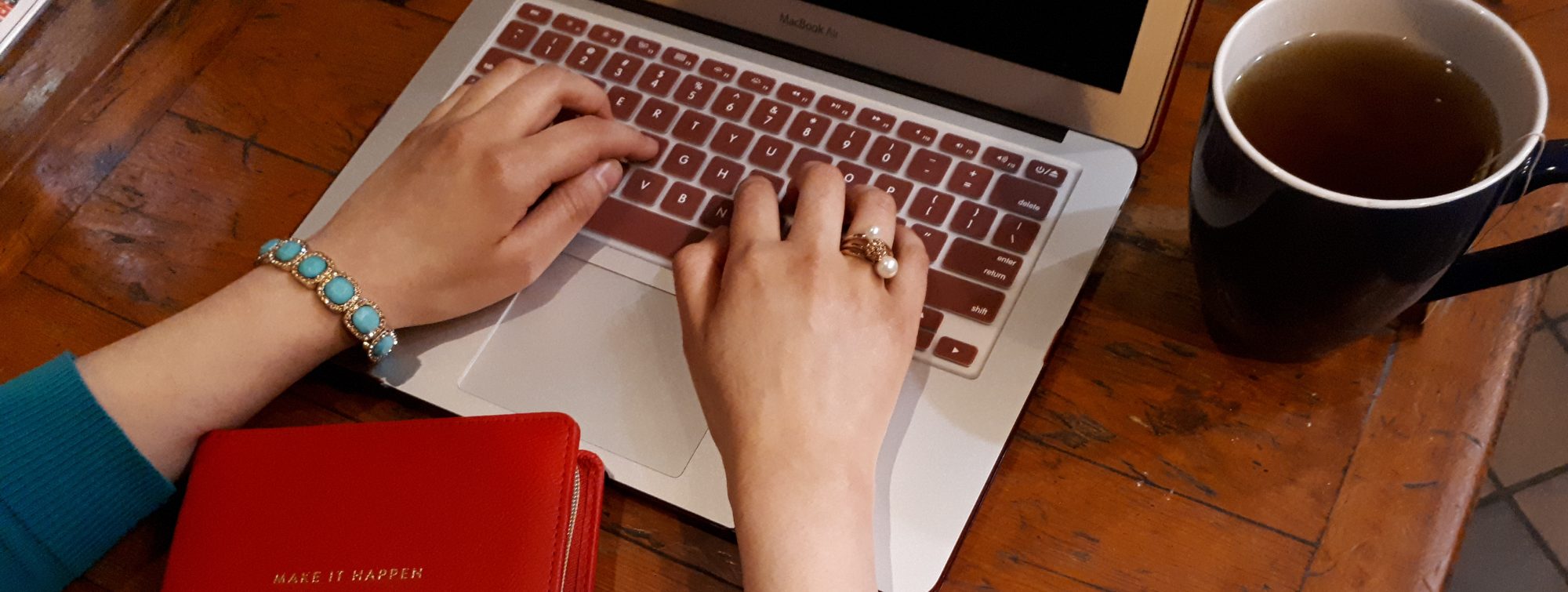
It’s quiet. I watch as others bury themselves in their electronic devices. I pull a novel out of my bag and settle in. I’ve decided to make this my alone time. For me, the joys of solitude include having time to read, write, pray, practice yoga or listen to music. Consciously practicing solitude in these ways calms me, and allows me to refocus my thoughts. It’s also when I’m most productive and creative. According to Amy Morin, psychotherapist and bestselling author of 13 Things Mentally Strong People Don’t Do, another benefit of alone time is that it can increase empathy, because it creates an opportunity for one to develop compassion for those who do not fit into one’s ‘inner circle’.
As an educator, I want students to understand that we’re all connected. My colleagues and I help our students develop skills to respectfully communicate their thoughts and feelings in different group settings so that they can learn with and from each other. We know, from research that has been done in this area, that social interactions can strongly and positively impact mental health, and develop cognitive strength.
We also realize that students need time to themselves, to reflect, create, and to understand and work through their emotions. At my school, we’ve designed spaces in classrooms and in other parts of the school where students can choose to work independently or take “mindful moments” for breaks from their daily school routine.
I make my way down to the cafeteria for my morning tea. There’s a stillness in the air. A woman sweeping the floor eyes the paisley print on my pashmina. Her eyes shift to my face. “Do you speak Hindi?”
“No. Urdu.” I have a feeling that she knows that Hindi and Urdu are very similar spoken languages.
“I’ve got this Bollywood song stuck in my head. It goes na-na-na-na-na-na. Do you know it?”
I can’t help but laugh at the random nature of this question, coupled with the fact that I’ve never liked Bollywood. “Sorry, I don’t really know Indian songs.”
“I don’t know Indian songs either, but it sounds like a lovely tune. I’d love to go to India,” another customer inserts as she fills her cup of tea.
The conversation feels like a Seinfeld episode. I decide to leave, and walk back to the jury lounge smiling.
There’s a buzz in the air. Some complain about being summoned for duty, others are chatting about their employment, some stay buried in their devices. By day three, we all have our regular spots in the lounge and the room is brimming with conversation and regular pockets of laughter. A group of older women is playing cards, someone is leading an iPad tutorial for a small group, and the chess board is now being used.
I chat with a group sitting at my table and hit it off with another teacher. Who knew I would get time to myself and make a friend at jury duty.
 Rania Mirza